Confused by the colours on your head unit? Cycling training zones split your effort into seven bands based on your FTP, with overlapping training effects, and Zone 7 is a maximal sprint effort rather than an FTP percentage. Here is what every zone does.
This guide is part of our series on training with power.
| Item | Value |
|---|---|
| Zone 1, Active Recovery | Under 55% of FTP |
| Zone 2, Endurance | 56-75% of FTP |
| Zone 4, Threshold | 91-105% of FTP |
| Zone 5, VO2 Max | 106-120% of FTP |
| Zone 6, Anaerobic Capacity | 121-150% of FTP |
| Suggested re-test interval | Every six to eight weeks |
Figures come from this Coggan zones guide and TrainerRoad’s zone explainer. Zone boundaries differ between sources and can change, so check the source before you rely on them.
How the seven-zone model works
Power zones are defined as a percentage of your Functional Threshold Power, or FTP. According to TrainerRoad, the idea traces back to Andrew Coggan, and balancing time across the zones is central to effective training.
Because every zone is relative to FTP, the numbers only help if your FTP is current. If you have not measured it yet, start with an FTP test or a ramp test, then enter the result into your head unit or app.
Most head units and training apps calculate the watt ranges automatically once you enter your FTP. Still, knowing where the numbers come from lets you judge whether a workout is aimed at the right target.
The seven zones, one by one
Zones 1-3 sit below FTP, Zone 4 straddles it, and Zones 5-7 cover higher-intensity efforts. The percentages here follow the commonly published version; the next section covers where sources differ.
- Zone 1, Active Recovery: under 55% of FTP. Very easy, conversational spinning for recovery rides, warm-ups and cool-downs.
- Zone 2, Endurance: 56-75% of FTP. The aerobic base zone, where endurance cyclists spend most of their time.
- Zone 3, Tempo: 76-90% of FTP. A moderately hard, “comfortably uncomfortable” effort.
- Zone 4, Threshold: 91-105% of FTP. Riding right around your FTP.
- Zone 5, VO2 Max: 106-120% of FTP. Very hard efforts of three to eight minutes that develop maximum aerobic capacity.
- Zone 6, Anaerobic Capacity: 121-150% of FTP. Short, intense efforts of roughly 30 seconds to two minutes.
- Zone 7, Neuromuscular Power: maximal efforts. All-out sprints lasting just a few seconds.
Zone 7 has no upper percentage because raw, maximal power is not meaningfully capped by FTP.
What each zone trains
Zone 1 is for recovery and Zone 2 builds the base. Recovery spinning keeps the legs moving without adding fatigue, while endurance riding develops the aerobic engine you lean on in every longer ride.
Tempo sits in the middle and is a steady, moderately hard effort. It is useful for long sustained work, but it can feel productive without leaving much room to recover, so many riders use it sparingly.
At threshold, intervals such as 2 × 20 minutes at 95-105% are among the most productive sessions a cyclist can do, according to the same guide. They raise the power you can hold for long climbs, time trials and breakaways.
VO2 Max and anaerobic zones are the hard ones. VO2 Max efforts stretch your top aerobic capacity, and anaerobic efforts train the power you need for attacks, short climbs and bridging gaps.
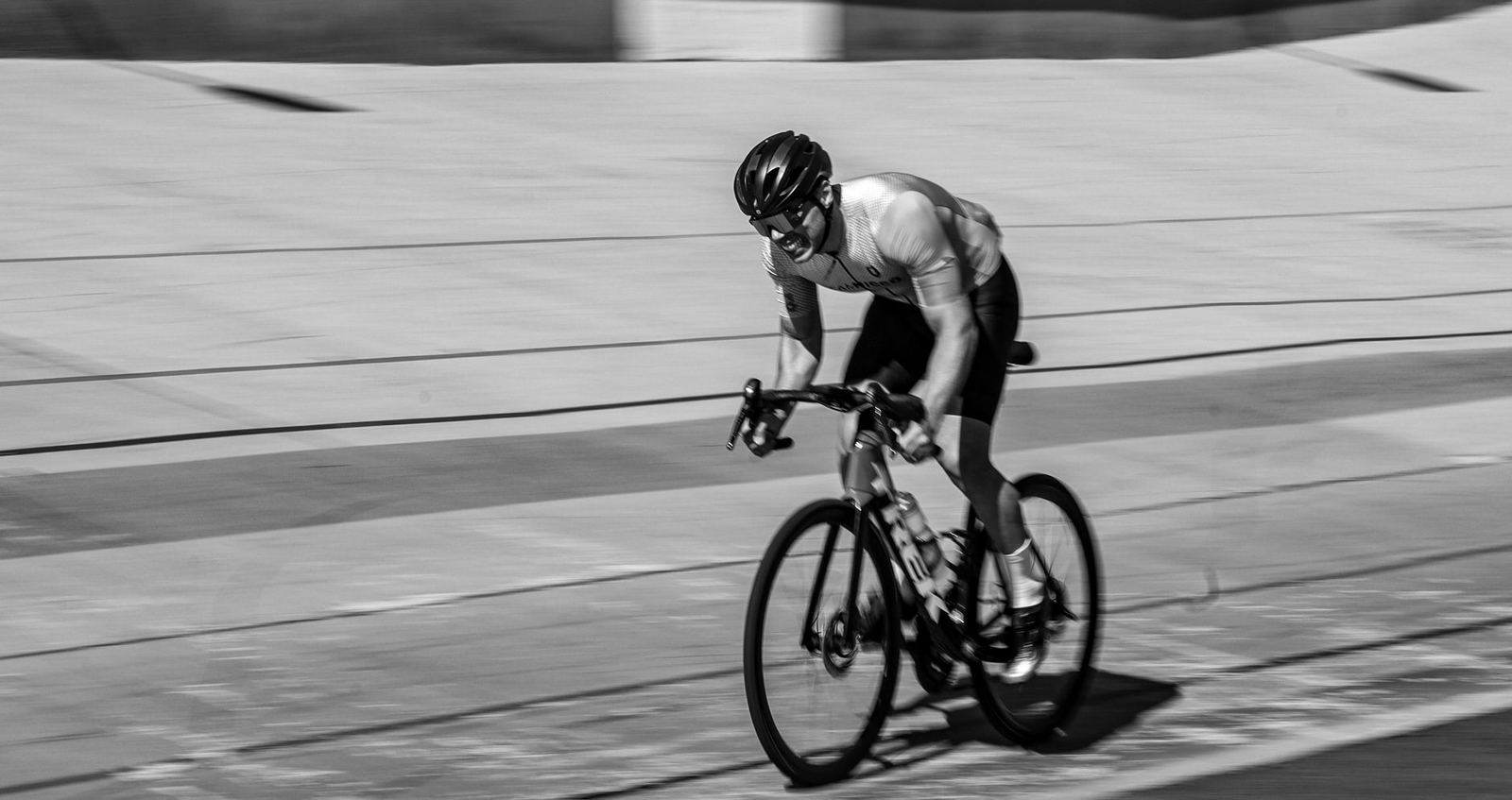
A neuromuscular sprint is over in seconds, so it trains peak power and coordination rather than endurance. You need full recovery between efforts for these to count.
Matching zones to your goals
Your goal decides where most of your time goes. A rider building for long events will spend far more hours in the endurance zone than a rider chasing a short, punchy race.
If you want to climb better, threshold work is the main tool. Sustained intervals around FTP teach your body to hold a high but steady output, and they are easy to measure because the target is a clear power band.
If you race criteriums or group rides with frequent attacks, the upper zones matter more. Anaerobic efforts of roughly 30 seconds to two minutes mimic the surges that decide those events, and a few seconds of neuromuscular work builds the sprint.
Whatever the goal, balance matters. As TrainerRoad puts it, balancing time across the zones is central to effective training, so a plan made only of hard intervals or only of easy miles will usually stall.
Common mistakes with zones
- Riding easy days too hard. Recovery rides only work if they stay truly easy, so keep them in Zone 1 even when you feel good.
- Living in the middle. Tempo feels productive, but riding it every day leaves you too tired for quality intervals.
- Using an old FTP. If your fitness has changed, every zone is off by the same error, so update your number.
- Chasing the number on one bad day. Hit the effort the session asks for and let the watts fall where they fall.
Reading the effort by feel
Perceived exertion is a useful cross-check. TrainerRoad pairs its zones with a rating, rising from Active Recovery at RPE 2 up to Anaerobic Capacity at RPE 10, so you can judge intensity by feel as well as by power.
That matters on a day when your meter drops out or reads oddly. If a Zone 2 ride feels like a threshold effort, something is off, whether that is fatigue, heat, illness or a miscalibrated meter.
Why zone charts do not all match
If you compare apps, the numbers will not line up exactly. TrainerRoad lists Endurance at 55% – 75%, Tempo at 76% – 87%, Sweet Spot at 88% – 94%, Threshold at 95% – 105% and VO2 Max at 106% – 120% of FTP.
That version adds Sweet Spot as its own band. TrainerRoad describes it as a transitional zone, defined more by its applicability to training than by distinct physiological differences.
It also lumps everything above 120% into one Anaerobic Capacity zone, so it still shows seven bands. The practical lesson is to pick one model, stick with it, and compare your sessions to the same boundaries over time.
Using zones in a training week
- Measure or update your FTP, and set your zones from it.
- Ride most of your volume in Zones 1 and 2.
- Add one or two harder sessions in Zone 4 or Zone 5, with easy days around them.
- Re-test every six to eight weeks, because as you get fitter your FTP rises and your zones must move with it.
Treat the zones as a guide rather than a law. A bad night’s sleep or a hot day can make the same watts feel harder, and it is fine to adjust the session.
Frequently asked questions
How many cycling training zones are there?
Show answer
The Coggan model uses seven zones, from Active Recovery to Neuromuscular Power. Some platforms, such as TrainerRoad, show a slightly different set that adds Sweet Spot.
Do I need a power meter to use zones?
Show answer
Power zones need power data. Without a meter, you can still use perceived effort, and TrainerRoad pairs each of its zones with a rating of perceived exertion.
How often should I update my zones?
Show answer
One guide suggests re-testing every six to eight weeks, since your zones must move as your FTP changes.
Why does Zone 7 have no percentage?
Show answer
It covers all-out sprints of a few seconds, and that raw maximal power is not meaningfully capped by FTP.