Wondering if a heart rate monitor for cycling is still worth wearing once you have a power meter? Yes. Power shows the work you do; heart rate shows what that work costs your body.
This guide is part of our wider look at cycling gear.
| Item | Value |
|---|---|
| Common max heart rate estimate | 220 minus your age |
| Alternative estimate for people over 40 | 208 − (0.7 × age) |
| Moderate intensity | 50-70% of maximum heart rate |
| Vigorous intensity | 70-85% of maximum heart rate |
| Power training zones (COROS model) | 7 zones based on FTP |
Figures come from Texas A&M’s Howdy Health page and a COROS coaching article. Formulas and guidance can change, so check the sources before you rely on them.
What each number actually tells you
A power meter reports your mechanical power output in watts. According to the COROS coaching article (dated 02/17/2026), power readings respond quickly to effort changes and measure mechanical output, although wind and fatigue can still affect the watts you produce.
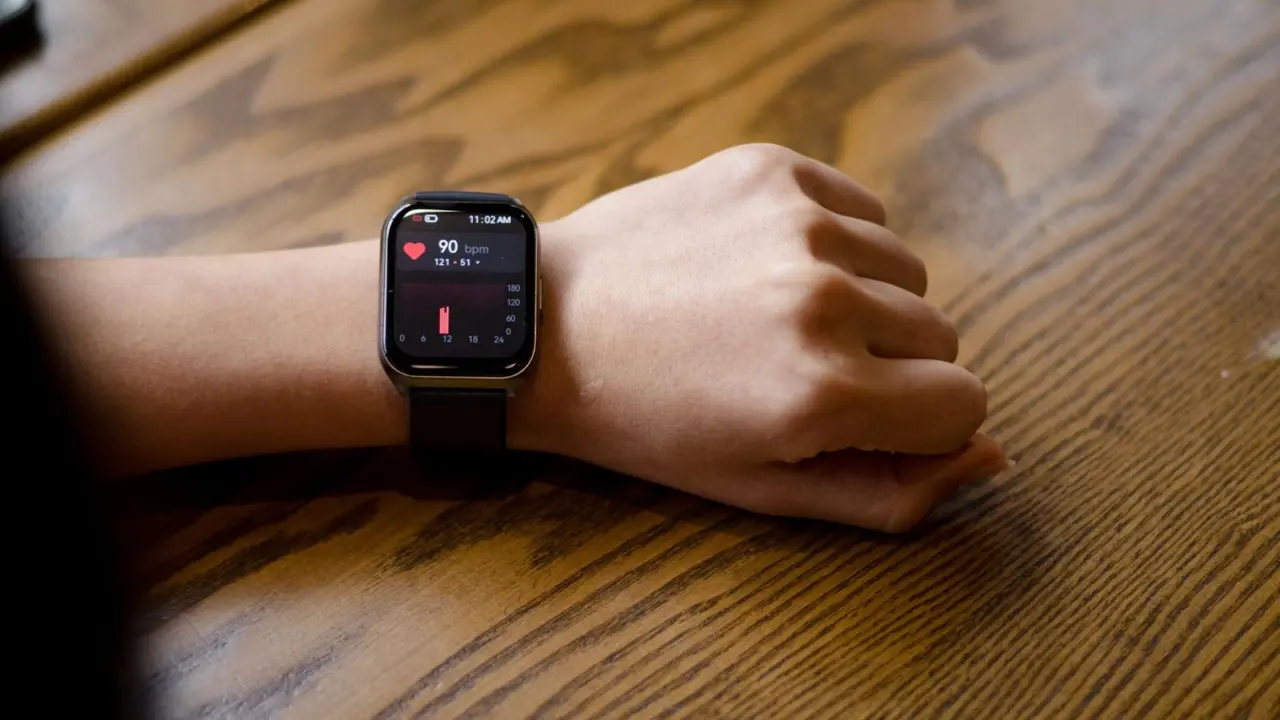
Heart rate is different. The same article describes it as reflecting the physiological work your heart is experiencing at any time, measured in bpm.
That is why the two are complementary rather than rivals. Power is objective, but the COROS article notes it does not account for how your body is feeling. Heart rate fills that gap.
- Power answers: how hard am I pushing the pedals right now?
- Heart rate answers: how is my body coping with that effort today?
- Together they show whether a given effort is getting easier or harder over weeks.
Why heart rate lags behind power
When you surge up a short climb, your watts jump immediately. Your heart rate does not. The COROS article says to expect some delay between an intensity change and your heart rate values.
This lag makes heart rate a poor guide for short intervals. By the time the number catches up, the effort may be over.
For steady riding, the lag matters much less. On a long, even endurance ride, heart rate settles and becomes a useful check on how you are feeling.
Heart rate is also pushed around by things power ignores: heat, poor sleep, stress, caffeine, illness and dehydration. A higher reading than usual at the same watts is a clue worth noticing, not a verdict.
Setting heart rate zones for cycling
If you have never done a max effort test, you will probably start with a formula. Texas A&M’s Howdy Health page says maximum heart rate is typically calculated as 220 minus your age. For a 40-year-old that gives 180 beats per minute.
The same page offers a different formula for people older than 40: 208 minus (0.7 × age). For a 50-year-old that gives 173 beats per minute.
These are estimates only. Real maximums vary a lot from person to person, so treat the result as a starting point and adjust it with experience.
The page defines moderate intensity as 50-70% of your maximum heart rate and vigorous activity as 70-85%. It also advises paying attention to how you feel whatever formula you choose. If you have a heart condition or take medication that affects heart rate, ask your doctor what ranges are right for you.
How to use both on a ride
The COROS article’s own tip is to use both power and heart rate data together for a more comprehensive understanding of your training. Here is a simple way to put that into practice.
- Pick your target by power. For intervals and tempo work, let watts steer the session because they respond instantly.
- Watch heart rate as the check. On long steady rides, note where your heart rate sits at a given power.
- Compare over time. If heart rate at the same watts falls across weeks, your aerobic fitness is probably improving. If it rises, consider rest, heat or illness.
- Use feel as the tiebreaker. If both numbers say go but your legs say no, believe your legs.
On a long ride, you may see heart rate creep upward even while power stays flat. This is often called cardiac drift, and heat, fatigue and fluid loss are the usual suspects. It is not a reason to panic, but it is a reason to drink and to pace sensibly.
Power zones are built on your FTP, while heart rate zones are built on a maximum or threshold heart rate. The COROS article describes a power model with 7 intensity zones based on FTP. Keep the two sets of zones separate in your head: a ride can be Zone 2 by power and feel harder by heart rate on a hot day.
Choosing and wearing a strap
For accuracy, many riders prefer a chest strap over a wrist sensor, because wrist optical readings can struggle when your hands grip the bars and vibrate. Wet the electrode pads before you start and make sure the strap sits snugly below the chest muscles.
Check that the device broadcasts a signal your head unit understands, usually ANT+ or Bluetooth. Many straps send both, so you can pair with a bike computer and a phone at once.
A strap pairs well with other sensors on the bike. If you also track pedalling rhythm, a cadence sensor adds a third data stream that helps explain why heart rate and power move the way they do.
Indoors, a strap is especially useful because there is little airflow and heart rate tends to run higher. Many indoor cycling apps can display it next to your watts, which makes the gap between the two easy to see.
When heart rate is the better guide
Power is not always available. If you ride a bike without a meter, heart rate remains a sensible way to pace endurance rides. The COROS article lists power as less accessible and more expensive, which is a fair reason many riders start with heart rate.
Heart rate also helps on days when you want to judge recovery. A resting reading that is much higher than normal can hint that you should ease off, even when the watts you could produce look fine.
In short, use power to control the effort and heart rate to understand the response. Neither is complete alone.
Frequently asked questions
Do I need a heart rate monitor if I have a power meter?
Show answer
You do not need one, but it adds context. Power tells you the output and heart rate tells you how your body is responding, so wearing both gives a fuller picture.
Is 220 minus age accurate?
Show answer
It is a rough estimate. Texas A&M’s Howdy Health page also offers 208 minus (0.7 × age) for people older than 40, and suggests paying attention to how you feel whichever you use.
Why is my heart rate high but my power low?
Show answer
Heat, fatigue, illness, stress, caffeine and dehydration can all raise heart rate at a given effort. If it persists with no clear cause, rest and consider speaking to a doctor.
Is heart rate good for intervals?
Show answer
Not very. The COROS article says to expect some delay between an intensity change and your heart rate values, so power is the better guide for short efforts.