Choosing between road bike pedal types feels harder than it should. For racing and fast road rides, a single-sided, three-bolt clipless system is a common choice. Then pick the float that suits your knees.
This guide is part of our wider cycling gear coverage.
| Item | Value |
|---|---|
| Look introduced its clipless pedal | 1984 |
| Hinault’s Tour de France win on Look’s design | 1985 |
| Typical road cleat fixing | 3 bolts |
| Typical off-road and commuting cleat fixing | 2 bolts |
| Red Look Keo cleat float | 9 degrees |
| Crankbrothers cleat float (rose cleats) | 6 degrees |
Figures come from BikeRadar’s guide to cycling with cleats. Product ranges and specifications change, so check the maker’s current page before you rely on them.
Flat pedals versus clipless: what “clipless” means
If you are switching from flat pedals, expect a short adjustment period. Most riders have a slow-speed tip-over at some point, usually at a junction, so practise unclipping early and often.
Despite the name, clipless pedals do clip: the cleat on your shoe locks into the pedal. The term comes from the older toe clips and straps that they replaced.
The idea is not new. In 1984, Look applied its step-in ski-binding technology to bikes, and Bernard Hinault rode Look’s design to Tour de France victory in 1985.
Most road riders now use clipless systems, because a fixed foot position makes pedalling more even and keeps your foot from slipping. Flat pedals still make sense for riders who want to put a foot down often or who ride in everyday shoes.
Two-bolt or three-bolt: the first decision
Broadly, clipless pedals use either two-bolt cleats or three-bolt cleats. This choice decides which shoes and pedals you can buy.
- Two-bolt cleats are small and sit recessed in the sole, so walking is easier. They suit mountain bike, gravel and commuting shoes.
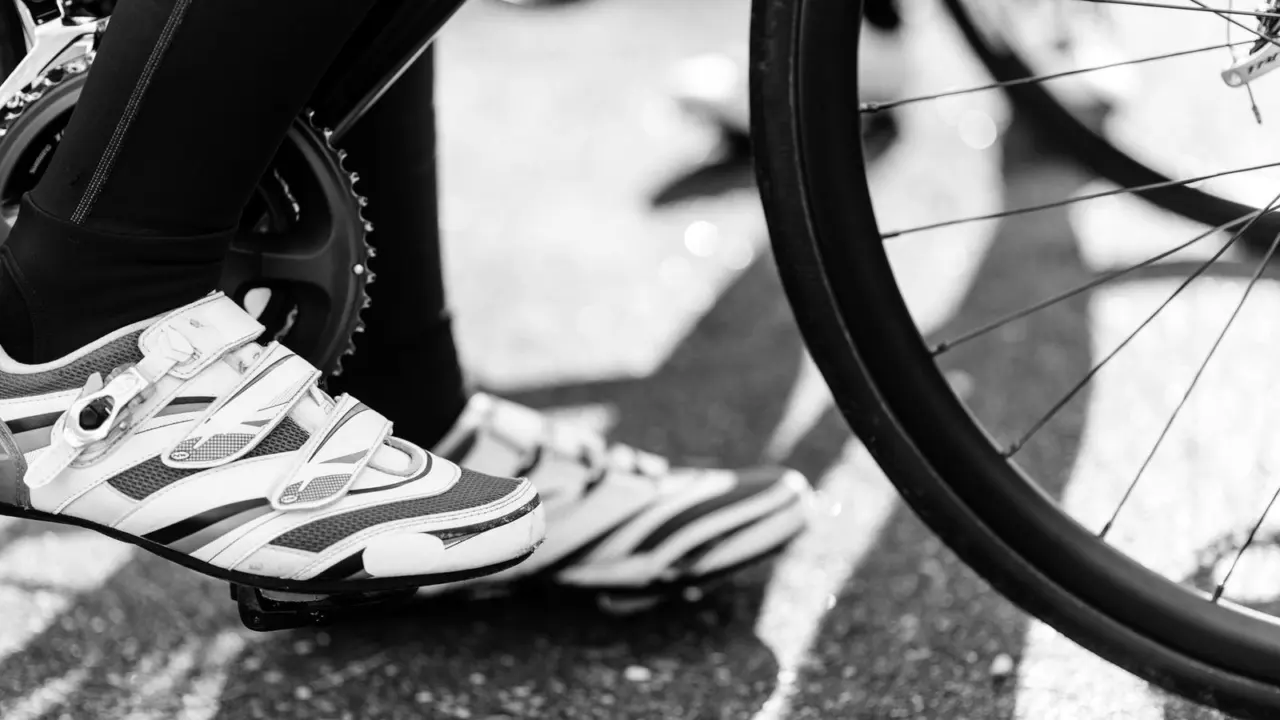
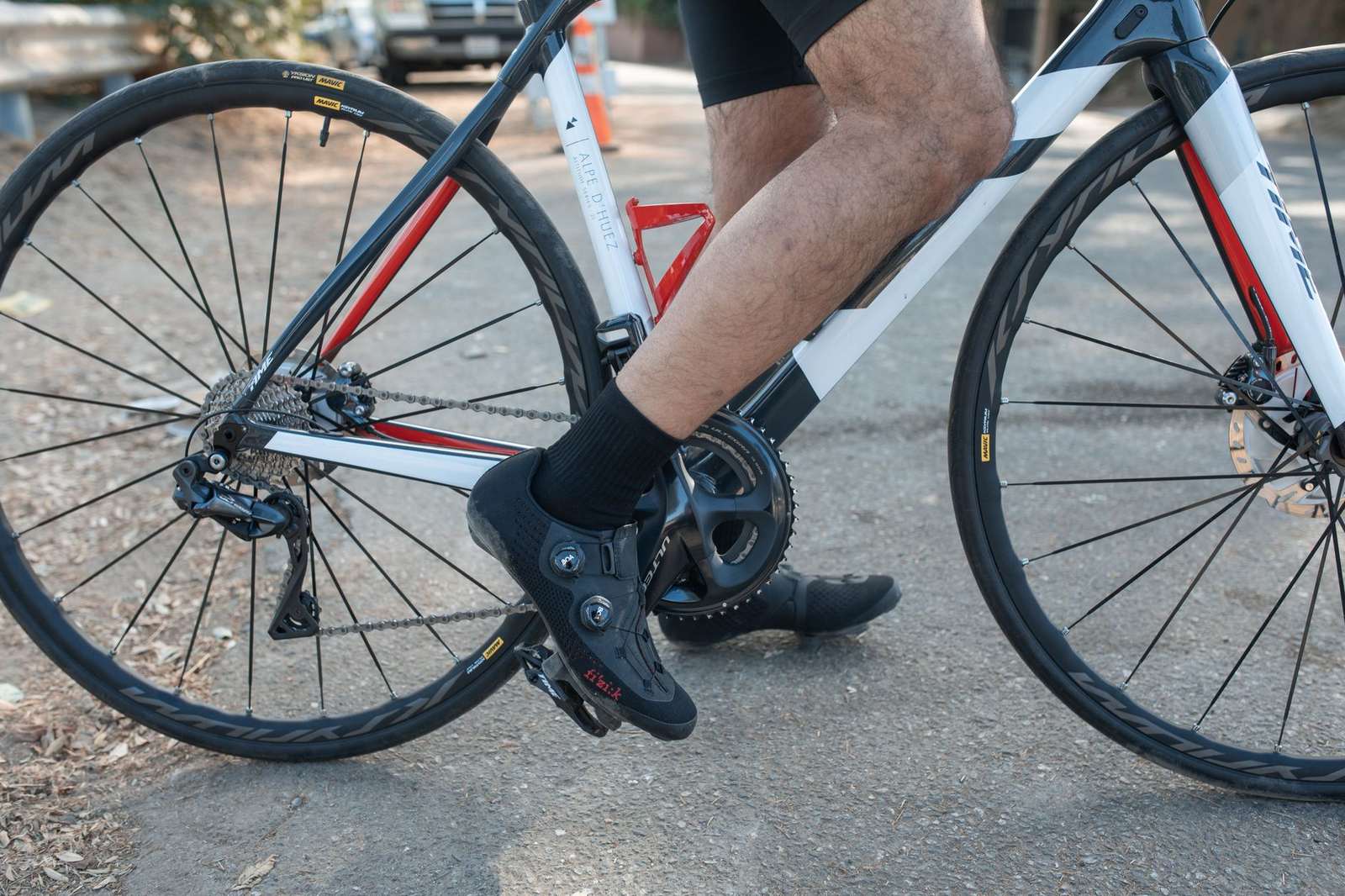
- Three-bolt cleats have a wide surface area and sit proud of a smooth sole. Road shoes are usually drilled for them.
The wide platform of a three-bolt cleat spreads load across the shoe. The trade-off is walking: most shoes designed for three-bolt cleats have a smooth sole, which makes walking in them harder.
Two-bolt pedals are usually double-sided, so you can clip in from either side. Pedals that pair with three-bolt cleats are single-sided, so you have to flick the pedal over to engage the cleat.
Road bike pedal types compared: the main systems
Once you’ve settled on three bolts, you pick a specific system. The two names you will meet most are Shimano SPD-SL and Look Keo. Cleats are not cross-compatible between them, even when they look similar, so buy pedals and cleats as a matched pair.
Shimano SPD-SL
You can buy Shimano SPD-SL cleats with different amounts of float, which are colour-coded. The pedal has an adjustable spring-release mechanism at the rear, so you can make it easier or harder to clip out.
Look Keo
Look Keo cleats work in the same way: as with Shimano SPD-SL, you can buy cleats with different amounts of float. The red Look Keo cleat comes with 9 degrees of float.
Other systems
Crankbrothers rose cleats offer 6 degrees of float. You can’t alter release tension with that system, although cleats are available with different release angles.
Shimano’s two-bolt SPD is the predominant system for off-road riders. Some road riders choose it for touring or cafe stops, where walking matters more than a wide platform.
Float, release tension and what they do for your knees
Float is how far your heel can swing sideways while the cleat stays clipped in. More float lets your foot find its natural angle, which many riders find kinder on the knees.
Zero float holds your foot in one position. That can feel stable and efficient, but it asks a lot of your cleat setup, because a small misalignment goes straight to the joint.
Too much float can feel vague when you sprint or climb out of the saddle, because your heel moves more than you expect. Riders often find a middle setting is the best balance between freedom and a solid platform.
Release tension is a separate setting on most road pedals. A lighter setting makes unclipping easier, which helps in the first weeks.
A sensible starting point for new riders:
- Choose the cleat with the most float your system offers.
- Set the release tension to its lightest setting.
- Practise clipping in and out against a wall or on a quiet road.
- Reduce float or add tension later, only if you want to.
How to choose between road bike pedal types
Start with how you ride, not with the brand. A rider who does fast group rides on smooth tarmac has different needs from someone who tours, commutes or stops at cafes.
- Racing and fast club rides: a three-bolt system with a wide platform and a smooth, stiff shoe.
- Touring and mixed surfaces: a two-bolt system you can walk in and clip into from either side.
- Returning from a knee niggle: a cleat with generous float and a light release setting.
- Riding on a trainer: whatever you already use outside, so your position stays the same.
Next, think about your shoes. Shoes and cleats must share a hole pattern, so changing system often means changing shoes too. That cost is worth counting before you fall for a pedal.
Finally, think about spares. Cleats wear with walking and use, and worn cleats can release unexpectedly or feel loose. Pick a system whose cleats you can easily buy near you, and replace them before they get sloppy.
Fitting cleats and pairing pedals with power meters
Cleat position decides how comfortable the system feels. Mark where your foot’s ball sits over the pedal axle and tighten the cleat bolts evenly to the maker’s torque figure. A bike torque wrench is the sensible tool for that job.
If you train indoors, the same pedals work on a trainer, and many riders ride the same shoes in virtual sessions. Our notes on indoor cycling apps cover how those sessions work.
Pedal-based power meters replace your normal pedals and measure force at the pedal. They are made around the standard cleat systems, so check which cleat a model uses before you buy.
When a pedal-based meter is on your shortlist, treat the cleat system as the first filter. Your shoes, your float preference and your existing cleats all point to one or two models.
Frequently asked questions
Can I use Look cleats on Shimano pedals?
Show answer
No. Cleats are specific to their pedal system, even when cleats look similar. Match the cleat standard to the pedal, and check the maker’s compatibility notes.
Are two-bolt pedals bad for road riding?
Show answer
No. They are easier to walk in and often double-sided, so they suit touring, commuting and cafe rides. Three-bolt pedals offer a wider platform.
How much float should a beginner choose?
Show answer
Most beginners do well with the cleat that offers the most float. You can move to a firmer cleat later if you want a more fixed feel.
Do I need special shoes?
Show answer
Yes. Road shoes are usually drilled for three bolts, while mountain bike shoes use two. Check the hole pattern before buying either.