Wondering whether a hub based power meter suits you? It measures power at the rear wheel, so it reads slightly lower than crank or pedal units, and it travels with the wheel, not the bike.
This page is part of our wider guide to cycling power meters.
| Item | Value |
|---|---|
| Typical drivetrain power loss | About 2-3% |
| Hub reading when pedals see 200 W | Roughly 194-196 W |
| Battery in the PowerTap G3 | CR2032 |
| Claimed G3 battery life | 300 hours |
| Battery life BikeRadar typically got | 120 hours |
Figures come from Power Meter City and BikeRadar’s PowerTap G3 review. They can change, so check the sources before you rely on them.
How a rear hub power meter works
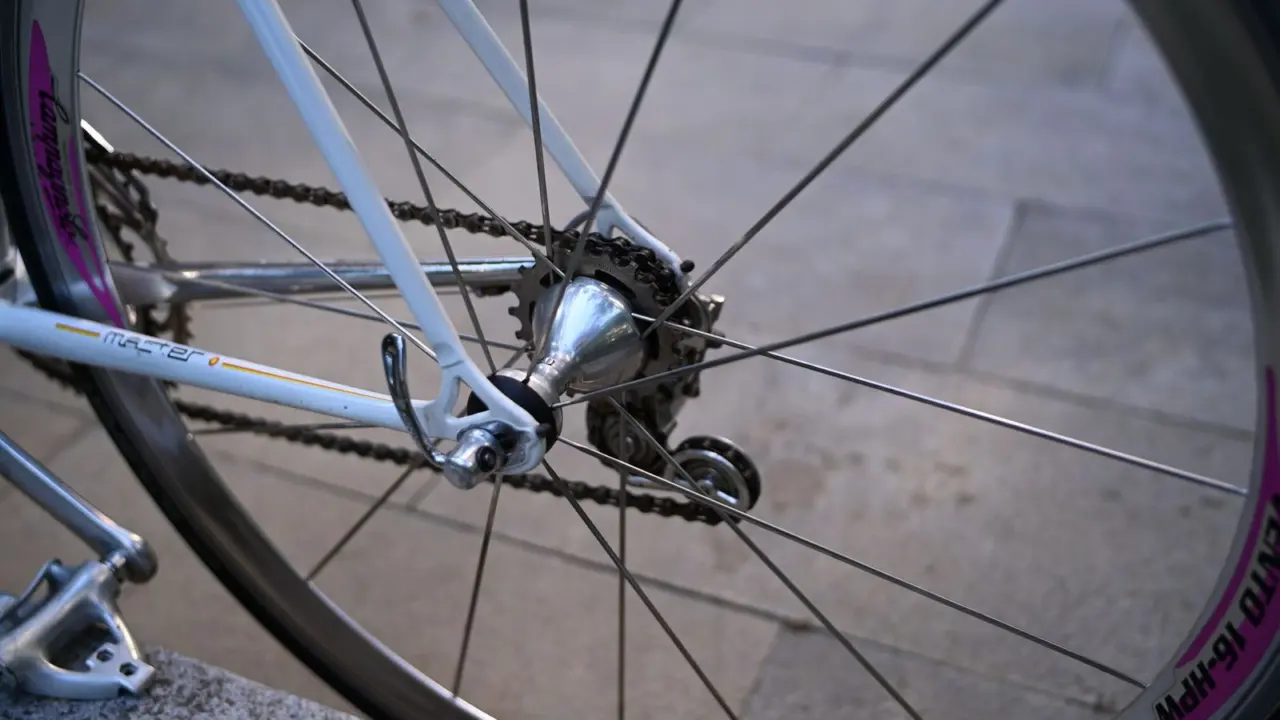
A hub meter puts its strain gauges inside the rear hub. It measures the torque that arrives at the wheel, after your force has travelled through the crank, chainring and chain.
The result is a number for the power that actually drives the bike. The meter then sends it to your head unit, usually over ANT+, as with the PowerTap G3 that BikeRadar reviewed in a September 25, 2014 piece.
Setup is simple. BikeRadar said pairing and zeroing the torque “takes a couple of minutes and that’s it.”
Why hub readings look lower
Power is lost between your feet and the wheel. Power Meter City says experts put overall drivetrain power loss at approximately 2-3%.
In its example, if you applied 200 watts at the pedals, the hub would see roughly 194-196 watts. For the same effort, a hub meter generally reads slightly lower than crank or pedal meters because of drivetrain losses, though measurement differences can alter that ordering.
That does not make the hub less accurate. It measures at a different point, so the numbers are not directly comparable with a crank based power meter on another bike.
Strengths of a hub meter
- Wheel swapping: if one wheel fits two bikes, the meter moves between them.
- Training and racing: a rider who keeps a training wheelset can leave the meter on it.
- No left or right guesswork: the hub reads total power at the wheel, so you are not choosing between one leg and both. If that choice matters to you, see our comparison of single sided vs dual sided power meter designs.
- Consistent data: BikeRadar found the G3 tracked consistently within a few watts of an SRM power meter.
Drawbacks to weigh
The main limit is that the meter is built into one wheel. If you race on a different wheel, you either ride without power data or build a second hub into that wheel.
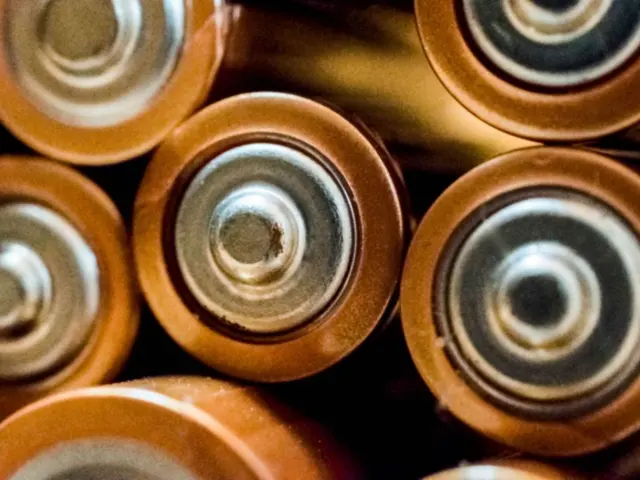
Battery life matters too. BikeRadar noted the G3 uses a CR2032 battery with a claimed life of 300 hours, but typically got 120.
Durability was the review’s low point. BikeRadar listed the internals as a concern, and it reported a unit drifting out of spec that it was advised to return.
Availability also changes over time. Check whether a given hub is still sold new, and what support exists, before you buy.
Living with a hub meter day to day
Most of the routine is light. Before a ride, wake the hub by spinning the wheel, confirm it has paired with your head unit, and zero it with the bike upright and the wheel free of load.
Zeroing matters because strain gauges can drift as temperature and wear change. Make it a habit, as BikeRadar’s reviewers did, and note any reading that looks odd.
Keep a simple log of your zero offset values. If the number moves a lot from one session to the next, the hub may need a service or a battery change.
Comparing data across meters
Because a hub sits at the end of the drivetrain, your readings will be a little lower than on a crank or pedal unit. That is fine as long as you stay on a single meter for your training zones and tests, and record which device produced each result.
Trouble starts when you mix sources. A threshold test done on a hub and a race measured on a pedal meter will not line up exactly, so judge trends within one device.
Wheel and bike compatibility
The hub’s axle standard, brake type and cassette body decide whether it fits a given frame. Check these details on each bike before you assume a wheel will move across.
If you plan to build the hub into a lighter or deeper wheel, remember that a wheel builder will be involved. Factor in that cost and the time your bike is off the road.
Troubleshooting common problems
- No signal: spin the wheel to wake the hub, then check the battery and the pairing on your head unit.
- Erratic readings: zero again, check the cassette lockring is tight, and look for a loose wheel in the frame.
- Readings that creep over a ride: a sudden temperature change can cause this, so zero once the hub has settled to the air around it.
If the problem persists after these steps, stop trusting the data until the hub has been checked by the maker or a qualified workshop.
Is a hub meter right for you?
A hub meter suits you if you already own a wheelset you ride most of the time and want power on that wheel. It is a weaker fit if you switch wheels often.
Ask yourself these questions:
- Will I ride the same wheel for training and for events?
- Do I need to compare numbers with riders using crank or pedal meters?
- Am I comfortable zeroing the meter regularly and replacing a coin-cell battery?
If you answer yes to the first and third, a hub is a sensible choice.
Who should look elsewhere
- Riders who move between many bikes with different axle standards.
- Riders who want to race on varied wheels without rebuilding anything.
- Riders who want the highest possible reading for comparison with published figures.
For those cases, pedals or cranks usually fit better, and it is worth comparing each type against how you actually ride before you spend money.
Questions to ask before buying
- Is the hub still sold new, and who supports it if something fails?
- Does the seller offer a way to service the bearings and replace the battery?
- Is the hub already built into a wheel you would want to ride?
- Does it use ANT+ or Bluetooth, and does your head unit support that?
A review is a snapshot of a single test unit, tested at a particular time, and products change after that. Treat BikeRadar’s findings on the G3 as a guide to what to check, not a promise about every hub you might find.
Used hubs deserve extra care. Ask for the zero offset, check the bearings turn smoothly, and test pairing before you pay.
Frequently asked questions
Is a hub based power meter accurate?
Show answer
It can be. BikeRadar found the PowerTap G3 consistent within a few watts of an SRM. Reading lower than a pedal meter is expected, not a fault.
How much lower will a hub read?
Show answer
Power Meter City cites overall drivetrain loss of approximately 2-3%, so about 194-196 watts at the hub for 200 watts at the pedals.
Do I need to zero it?
Show answer
Yes. BikeRadar said a slow drift on one unit was manageable by zeroing each day, though it was eventually out of spec.
What battery does a PowerTap G3 use?
Show answer
A CR2032 coin cell. BikeRadar reported a claimed life of 300 hours but typically got 120.