Wondering whether power meter pedals are worth it? They suit riders who swap bikes often and want easy installation, but they cost more and need care with cleats. Here is how to decide.
Power meter pedals are one type of cycling power meters, and this page focuses on how they compare with other options.
| Item | Value |
|---|---|
| Garmin Rally RK/RS210 claimed battery life | 90 hours |
| Garmin Rally single-sided (110-series) price | £549.99 / $749.99 / €649.99 |
| Garmin dual-sensing upgrade spindle price | £479.99 / $549.99 / €549.99 |
| Garmin road pedal stack height | 12.2mm |
| Favero Assioma DUO waterproofing | IP67 |
| Favero Assioma DUO warranty | 2 years |
Figures come from BikeRadar’s Garmin Rally review and Favero’s Assioma DUO page. Prices, specs and models change, so check the source before you rely on them.
What power meter pedals actually are
Power meter pedals measure the force you put through one or both pedals, depending on the model, then send power and cadence to your head unit. Because the sensors sit in the pedal, there is nothing to fit to your crank or chainring. If you want the physics, see our explainer on how do cycling power meters work.
There are two layouts. Dual-sided pedals measure both legs. Single-sided versions carry a “smart” left pedal and a dummy right one.
BikeRadar notes that single-sided power meters “simply measure the effort of your left leg and double it to estimate your total power output.” That is fine for many riders, but it hides any left–right imbalance.
The main advantages
- Easy bike swapping: move the pedals between road, gravel and indoor bikes in minutes with a pedal wrench.
- Simple installation: no crank removal or special tools, and no frame-specific fit.
- Left–right data: dual-sided models give balance and pedalling metrics. Favero lists L/R balance, Power Phase, Pedal Smoothness and Torque Effectiveness for the Assioma DUO.
- Upgrade routes: some single-sided systems can be converted later. BikeRadar says Garmin sells a “Dual-sensing Upgrade Spindle” at £479.99 / $549.99 / €549.99.
Pedals also work with most cranksets, subject to the maker’s thread and clearance requirements, including oval chainrings in the Favero’s case, which suits riders who like to experiment with their setup.
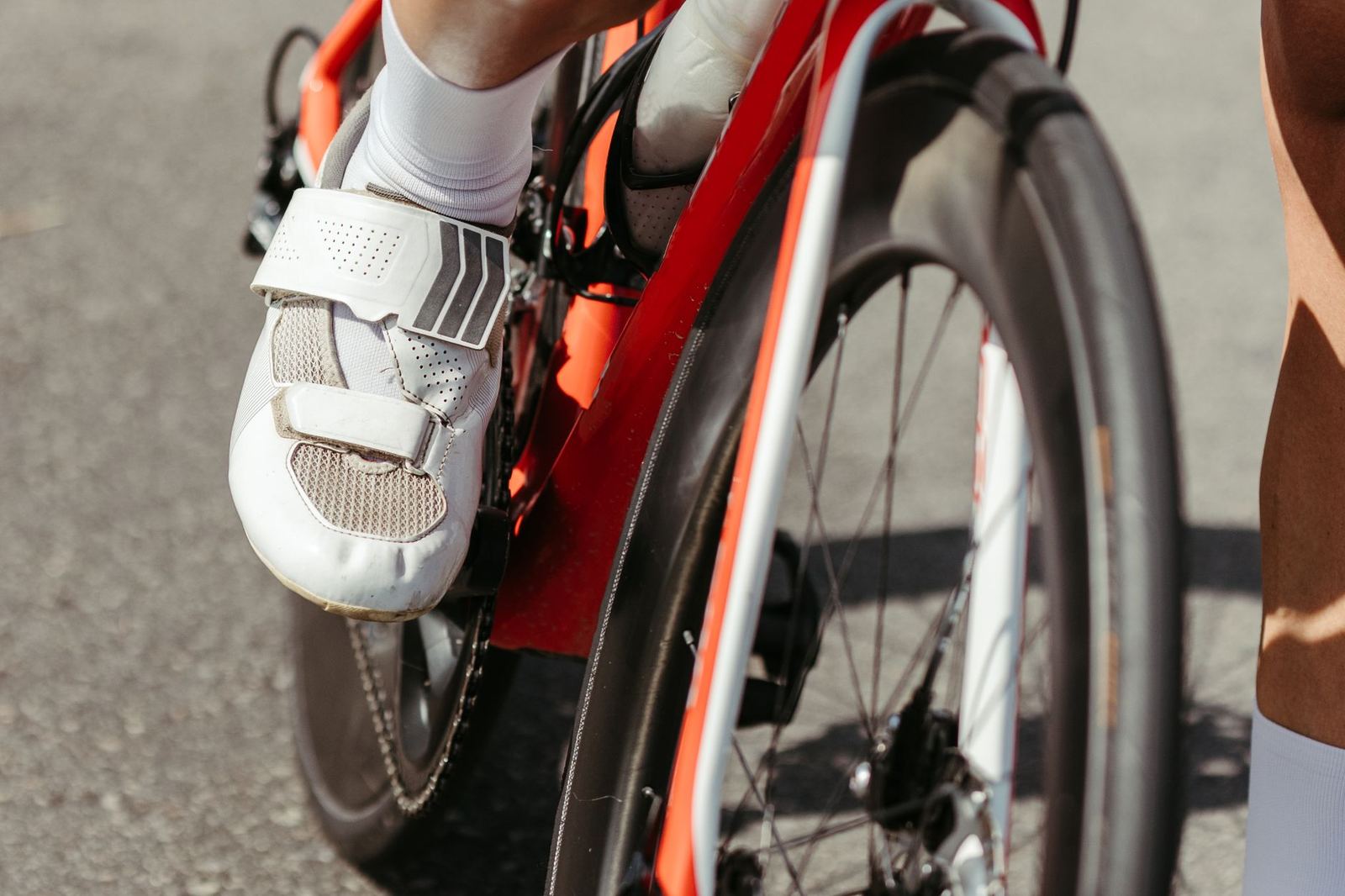
The main drawbacks
No meter location is perfect, and pedals carry a few compromises that are easy to overlook in the excitement of buying. Knowing them early helps you set realistic expectations and avoid paying for features you will not use.
The biggest issue for most riders is price. BikeRadar describes Garmin’s pedals as “generally the most expensive in this category”, and puts them around 35 per cent above Favero’s Assioma PRO at recommended retail price.
Other drawbacks to weigh:
- Cleat and pedal choice: you are tied to the pedal body and cleat system the maker offers.
- Charging or battery upkeep: the electronics live in the pedal, so you need to keep them powered.
- Exposure: pedals take knocks, scrapes and rain. Favero lists IP67 waterproofing for the Assioma DUO, but a crash can still damage them.
- Stack height and weight: BikeRadar quotes Garmin’s road pedal stack height at 12.2mm, and the XC pedals at 11.5mm.
Favero backs the Assioma DUO with a 2-year warranty, which is worth comparing across brands.
How pedals compare with crank and hub meters
Pedals are not the only way to measure power. Crank-based meters, spider-based meters and rear hubs all do the same job from different places on the bike, and each has its own strengths.
The pedal approach wins on portability. A crank or spider meter stays with the bike it is fitted to, and moving it means removing parts and often recalibrating. A pedal meter goes from bike to bike as fast as you can change pedals.
The trade-off is exposure and cleat lock-in. A crank sits away from the ground, while a pedal is the first thing to hit the tarmac in a crash or the first thing to catch a kerb. Pedals also commit you to a cleat system, whereas a crank meter lets you use any pedal you already like.
Questions to ask yourself first
- How many bikes will share the meter, including a trainer bike?
- Do you already have shoes and cleats you want to keep using?
- Does a single-sided estimate give you enough detail, or do you want each leg measured?
- Are you comfortable keeping another device charged?
Honest answers to these usually point to the right type faster than any spec sheet. A rider who trains on a single road bike and never travels may get better value elsewhere, while a rider with a gravel bike, a road bike and an indoor setup may find pedals pay for themselves in convenience.
Battery life and charging
Battery design varies. BikeRadar reports that the newer Garmin pedals use “a fully-sealed spindle with an internal rechargeable battery” in place of replaceable coin cells.
The trade-off is shorter claimed life: it fell “from 120 to 90 hours”. Riders no longer need to buy spare batteries, though. For a deeper look, read our guide to power meter battery life.
A practical habit is to charge before long events and check the level in your head unit or app before each big ride.
Who power meter pedals suit
The decision comes down to how you ride and how many bikes you own. Think about your real routine, not the best-case version of it, because a meter you cannot keep charged or moved easily will not get used.
Riders who coach themselves from structured plans tend to value consistent numbers on every bike. Riders who race or travel often value the speed of swapping. Riders who mostly ride for fun may find a cheaper single-sided option plenty, and can revisit dual-sided later if the upgrade path exists.
They are a strong match if you:
- own several bikes and want a single meter that moves between all of them;
- rent or travel with a bike, where crank-based options are awkward;
- want left–right balance data to check for asymmetry;
- are happy with a road cleat system such as Look Keo, which Favero lists for the Assioma DUO.
You may prefer another type if you:
- ride one bike all year and want the lowest cost per bike;
- need a cleat system the pedal range does not offer;
- regularly crash or ride in very rough conditions;
- already own a crank-based or hub-based meter that works well.
Setting up and using pedals day to day
Fitting is straightforward, but a few habits keep the data trustworthy. Tighten the pedals to the torque the maker specifies, and make sure the left and right pedals go on the correct sides.
- Pair the pedals with your head unit or app and confirm that both sides report in.
- Run the maker’s calibration or zero-offset routine before rides, especially when the weather changes.
- Keep cleats in good shape, since worn cleats and loose bolts can change how force reaches the pedal.
- Check the firmware occasionally, as updates may add features or fix connection quirks.
When you move the pedals between bikes, expect the same cleat position to feel slightly different if the crank length or fit differs. When moving pedals between bikes, update the crank-length setting in your head unit or app to match the bike.
Finally, treat the power figure as a training tool rather than an absolute truth. Consistency between sessions matters more than whether the number matches another device exactly.
How to choose between models
- Pick your cleat system first: SPD-SL, Look Keo or SPD. BikeRadar says both Garmin and Favero now offer all three.
- Decide between single- and dual-sided. Single-sided saves money, and an upgrade path may exist.
- Compare battery life and charging method.
- Check warranty terms and the support route.
- Compare the recommended price in your own currency, because it differs by region.
Frequently asked questions
Are power meter pedals accurate?
Show answer
Reviewers such as BikeRadar describe Garmin’s current pedals as giving accurate data. Single-sided versions estimate total power by doubling one leg, so they can drift from your true output if your legs differ.
Do I need dual-sided pedals?
Show answer
Not necessarily. Single-sided pedals suit most training by numbers. Choose dual-sided if you want balance data or have an injury or strong leg imbalance.
Can I upgrade single-sided pedals later?
Show answer
On some systems, yes. BikeRadar says Garmin sells a dual-sensing upgrade spindle for this purpose, so check your model first.
Are power meter pedals waterproof?
Show answer
Favero lists the Assioma DUO as IP67. That helps in rain, but impacts and wear can still cause damage.
Will pedals work with my existing shoes?
Show answer
Only if your cleats match the pedal body. Look Keo is listed for the Assioma DUO, and BikeRadar says Garmin and Favero also offer Shimano SPD-SL and SPD variants, so check the exact model before you buy.